

🛍️ Click, Customize, Convert: The 5-Minute Website Revolution for Amazon Entrepreneurs
✨ How Smart Website Builders Are Empowering Amazon Sellers to Launch High-Converting E-Commerce Sites in Minutes
- The Rise of the Amazon Entrepreneur
In recent years, Amazon has become a launchpad for thousands of independent sellers. From handmade crafts to private-label products, entrepreneurs are leveraging the platform’s massive reach to build thriving businesses. However, as competition grows, sellers are realizing the importance of building their own digital identity outside of Amazon. A standalone website not only boosts credibility but also opens doors to long-term brand building, customer retention, and diversified revenue streams.
- Why Every Amazon Seller Needs a Standalone Website
Having a personal e-commerce website is no longer optional—it’s essential. First, it builds trust. Customers are more likely to buy from sellers who have a professional online presence. Second, it allows sellers to capture leads, retarget visitors, and nurture relationships beyond the Amazon ecosystem. Third, it enables content marketing and SEO strategies that drive organic traffic. Lastly, it gives sellers full control over branding, messaging, and customer experience—something Amazon’s rigid structure doesn’t allow.
- The Website Builder Revolution: Speed Meets Simplicity
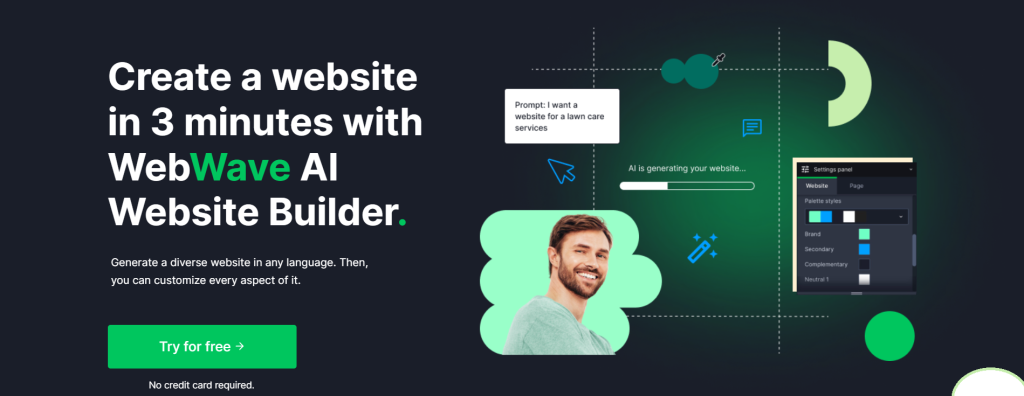
Gone are the days when building a website required coding skills or expensive developers. Today’s website builders—like Wix, Shopify, Webflow, and Squarespace—offer intuitive drag-and-drop interfaces, AI-assisted design tools, and mobile-responsive templates. These platforms are designed for speed and simplicity, allowing even non-tech-savvy users to launch beautiful, functional websites in minutes. Whether you want a sleek storefront or a content-rich blog, these builders make it possible with zero hassle.
- 5-Minute Setup: A Step-by-Step Walkthrough
Launching a website can be as quick as brewing your morning coffee. First, choose a template that suits your brand and product category. Next, customize the design—adjust colors, fonts, and layout to reflect your identity. Then, add product listings with images, descriptions, and pricing. Integrate Amazon links or affiliate widgets to drive traffic and sales. Set up payment gateways, contact forms, and basic SEO settings. Finally, hit publish—and your site is live. The entire process can take less than 30 minutes, and with practice, even less than five.
- Best Website Builders for Amazon Sellers: A Comparative Guide
Choosing the right builder depends on your goals. Shopify is ideal for full-fledged e-commerce operations, offering inventory management and Amazon integration. Wix is perfect for quick setup and design flexibility, with built-in SEO tools and app integrations. Webflow caters to advanced users who want custom animations and CMS control. Squarespace excels in visual storytelling, making it great for brands that rely on aesthetics. Each platform offers affordable pricing and scalable features, making them accessible to freelancers and small businesses alike.
- Design That Converts: Tips for High-Impact E-Commerce Pages
A well-designed website isn’t just about looks—it’s about conversions. Start with a clear visual hierarchy that guides visitors to key actions. Use high-quality product images and concise descriptions. Add trust signals like customer reviews, testimonials, and secure payment badges. Ensure your call-to-action buttons are prominent and persuasive. Optimize for mobile users, as most traffic comes from smartphones. Lastly, keep your site fast and clutter-free to reduce bounce rates and improve user experience.
- Integrating Amazon with Your Website
You don’t have to choose between Amazon and your website—you can use both strategically. Embed Amazon product widgets directly into your site to drive traffic and earn affiliate commissions. Use tools like Spreadr or Shopify’s Amazon channel to sync inventory and automate updates. Track conversions and optimize listings based on performance data. This hybrid approach allows you to leverage Amazon’s reach while building your own brand ecosystem.
- Marketing Your Website: From Launch to Loyalty
Once your site is live, it’s time to attract visitors. Start by capturing emails through lead magnets like discount codes or free guides. Use WhatsApp and social media to share updates, promotions, and product launches. Implement basic SEO strategies—like keyword-rich content and meta descriptions—to improve visibility. Run retargeting ads to bring back visitors who didn’t convert. Collaborate with influencers or micro-creators to expand your reach. The goal is to turn one-time buyers into loyal customers.
- Real Stories: Amazon Sellers Who Scaled with Smart Sites
Many sellers have successfully scaled their businesses by launching independent websites. For example, a handmade jewelry seller used Wix to create a visually stunning site and doubled her sales within three months. Another seller used Shopify to sync his Amazon inventory and streamline order management. These stories highlight the power of smart website builders in transforming side hustles into full-time ventures. The common thread? Speed, simplicity, and strategic branding.
- Future-Proofing Your E-Commerce Presence
To stay ahead, sellers must think beyond products. Build a community around your brand using verified networks and transparent reward systems. Expand into digital products like courses or downloadable guides. Use AI tools to personalize user experiences and automate customer support. Create multilingual content—especially in Hindi and Hinglish—to reach wider audiences. By embracing innovation and inclusivity, you can future-proof your business and stand out in a crowded marketplace.
Leave a Reply